What print on demand does—and what it does not
Understand the order flow, the seller's responsibilities, and why no-inventory does not mean no cost or risk.
How does print on demand work for a beginner?
Quick answer
Understand the order flow, the seller's responsibilities, and why no-inventory does not mean no cost or risk.
Reviewed Jul 25, 2026
The order triggers production
Print on demand is a fulfillment model, not a marketplace or a promise of passive income. You choose a blank product, add artwork or personalization, and publish a listing before buying inventory in bulk.
In a typical workflow, a buyer places an order through your store or marketplace. The connected provider receives the order, produces the configured item, and ships it to the buyer. The provider handles production and dispatch; you still own the public offer and the customer relationship.
- 1
Choose the exact product
Freeze the blank, color, size, print method, variants, and destination. A provider's catalog name is not enough to predict the delivered product.
- 2
Prepare the listing
Upload the file, write the promise, set the price, and show the actual variants and delivery expectations. Connect the listing to the production partner only after checking the order settings.
- 3
Let one order test the workflow
The buyer's order is the trigger. Follow it from payment to production, tracking, delivery, and support so you can find the failure points before adding more products.
You still own the buyer promise
The provider may print and ship, but the seller remains responsible for the product idea, rights, listing accuracy, price, production-partner disclosure, support, refunds, and marketplace rules.
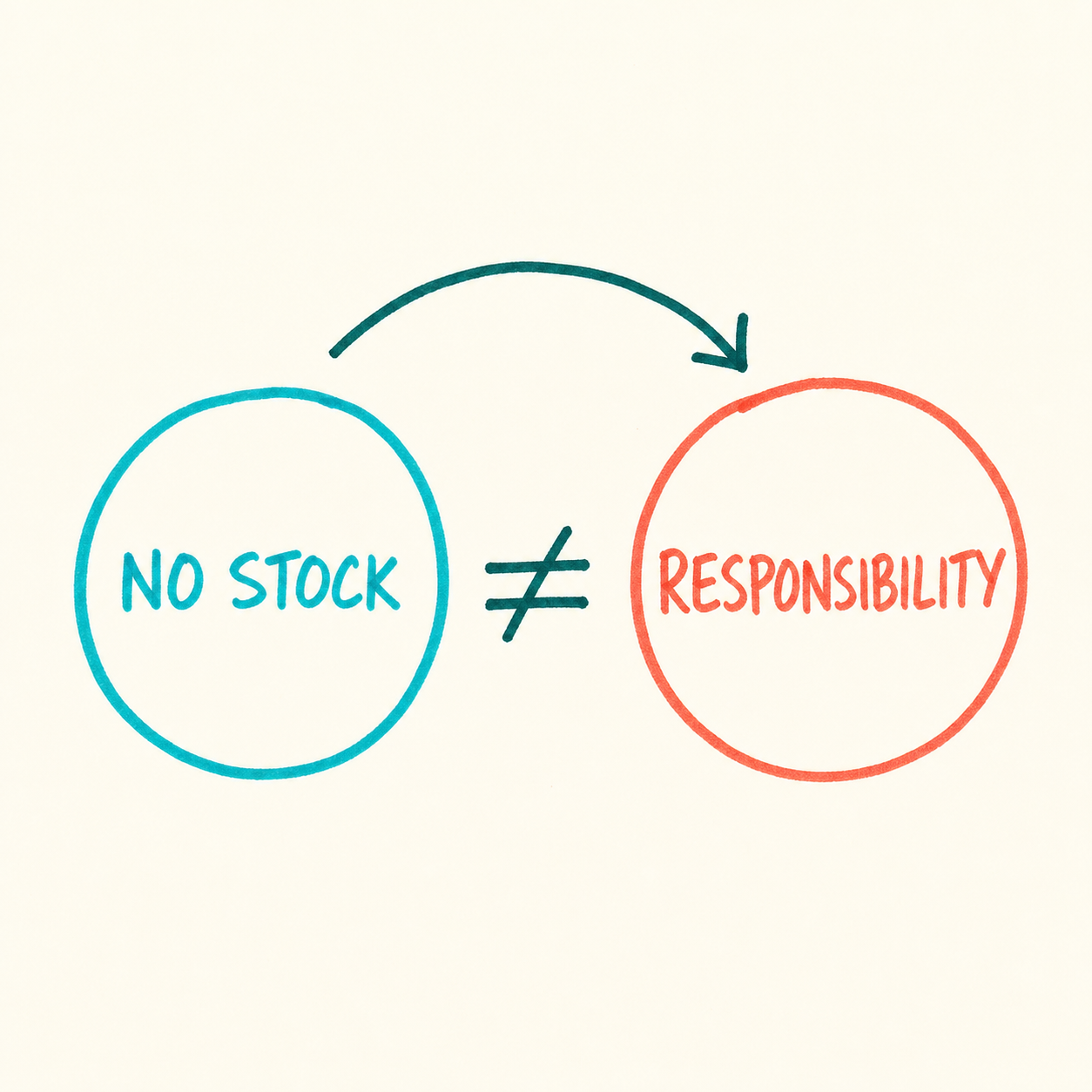
You also carry the economic risk. A sale can involve product cost, provider shipping, marketplace or payment fees, taxes, advertising, refunds, replacements, and payout delays. 'No inventory' removes storage and upfront bulk purchasing; it does not make the order free.
Treat every provider claim as a current input to verify. Production time, product availability, fulfillment location, personalization support, and return remedies can vary by product and destination.
Start with one controlled test
No inventory reduces one type of risk. It does not remove sample cost, marketplace fees, advertising, replacements, taxes, or the work of finding buyers. One product and one listing make those assumptions testable.
Before publishing, order or otherwise inspect the exact product you plan to sell. Check the file, print placement, material, packaging, delivery estimate, tracking, return path, and the way the listing describes the product. Record what is known, what is estimated, and what remains unknown.
- One exact product, destination, and set of variants are chosen
- The artwork rights and production-partner disclosure are understood
- The complete order cost includes shipping, fees, tax, and a replacement reserve
- The public listing matches the product and delivery promise
- A sample or controlled test has been planned before scaling
Sources used for this guide
Check the linked source before acting on time-sensitive fees, policies, availability, or production claims.